What Actually Changes When You Retrofit Shop or Warehouse Lighting
It's not just brighter. It changes how the floor works.
September 10, 2026 · 3 min read
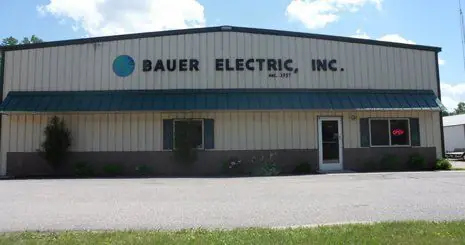
A lot of the shops and warehouses we work on around Central Wisconsin are still running on the lighting they were built with, metal halide or fluorescent fixtures with ballasts that have been humming along for years. Nobody replaces lighting on a schedule. Most of the time we get the call because a fixture finally died, the electric bill got somebody's attention, or the light on the floor just isn't what it used to be and nobody quite noticed it happening gradually.
Why ballasts start failing before anyone notices
A ballast doesn't usually fail all at once. It dims, it flickers, it hums louder than it used to, or it takes longer to warm up on a cold morning, and because it happens slowly across a whole shop floor at the same time, people adjust to it without registering that the light has actually gotten worse. It's usually only after a retrofit that anyone says out loud how dim the old lighting had gotten.
What a ballast change out and an LED conversion each involve
A straight ballast change out replaces the failing ballast in an existing fixture and leaves the fixture itself in place, which is the faster and cheaper fix when the fixtures are still in good shape. An LED conversion goes further, replacing or retrofitting the fixtures to run LED, which changes both the light output and what the fixtures draw. Which one makes sense depends on the condition of the existing fixtures and what you're trying to get out of the floor: more light, lower running cost, or both.
- Straight ballast change outs where the existing fixtures are still sound
- Full LED retrofit kits installed into existing fixture housings
- Complete fixture replacement where the housings themselves are past their life
- Automated lighting control panels for shops running zoned or scheduled lighting
What changes on the floor once it's done
The difference shows up in places people don't expect: fewer dark corners at the end of an aisle, more even color and brightness across the whole floor instead of bright near the newer fixtures and dim everywhere else, and a floor that looks the same at the end of a shift as it did at the start instead of gradually dimming across a burn cycle the way older fixtures do. On the operations side, the running cost difference is usually the number that gets noticed first, but the floor itself is what the crew actually feels every day.
Parking lots and exteriors are part of the same job
The same retrofit logic applies outside the building. Parking lot and warehouse yard lighting sees the same slow ballast decline as anything inside, and it matters for a different reason: it's the first thing a customer or driver sees pulling in after dark, and it's a safety question for anyone walking to their vehicle at the end of a shift. We handle installation and repair on lot and warehouse lighting as part of the same commercial work, not as a separate specialty, since it's usually fed from the same panels and the same electrical planning as the building itself.
Timing the actual retrofit work is its own part of the job on a building that doesn't get to close for a week. Most of this work happens in sections, one bay or one aisle at a time, and often on off-shifts or between production runs rather than during a full stop, the same way we'd phase any electrical project inside a building that has to keep running. A warehouse doesn't shut down for lighting any more than a farm shuts down for a rewire.
We also fold code violation corrections into this kind of work when they come up, since an older lighting layout that was fine when it was installed sometimes isn't what an inspector wants to see today. Catching that during a planned retrofit, rather than during an inspection that stops other work while it gets sorted out, is usually the better order to do things in.
Bauer Electric Inc, (715) 258-2848
Call (715) 258-2848